
Vulcanizing machines are widely used in the rubber and tire industries, etc. The following are some common problems and solutions:
1.Temperature Control Issues
1.1- **Excessively High Temperature**
– **Causes**: Faulty temperature sensor, unable to accurately measure temperature, causing the heating system to keep working; malfunctioning controller of the heating system, wrongly sending heating instructions; local short circuit of heating elements (such as heating rods), resulting in local overheating.
– **Solutions**: Replace the faulty temperature sensor; repair or replace the controller of the heating system; inspect the heating elements and replace the short-circuited heating rods.
1.2- **Excessively Low Temperature**
– **Causes**: Damaged heating elements, unable to generate heat normally; incorrect settings in the temperature control system, with the required temperature not set properly; damaged insulation layer, leading to rapid heat loss.
– **Solutions**: Replace the damaged heating elements; recheck and correctly set the parameters of the temperature control system; repair or replace the damaged insulation layer.
2.Pressure Issues
2.1- **Insufficient Pressure**
– **Causes**: Hydraulic system leakage, preventing effective pressure build-up; oil pump failure, unable to provide sufficient oil pressure; improper setting of the pressure regulating valve, limiting pressure output.
– **Solutions**: Inspect all sealing parts of the hydraulic system and repair leakage points; repair or replace the oil pump; readjust the pressure regulating valve to ensure the pressure reaches the specified value.
2.2- **Unstable Pressure**
– **Causes**: Contaminated hydraulic oil, affecting the normal operation of the oil pump and valves; air in the system, causing pressure fluctuations; faulty pressure sensor, providing inaccurate feedback signals.
– **Solutions**: Replace the hydraulic oil and clean the hydraulic system; perform air venting operations on the system; inspect and replace the faulty pressure sensor.
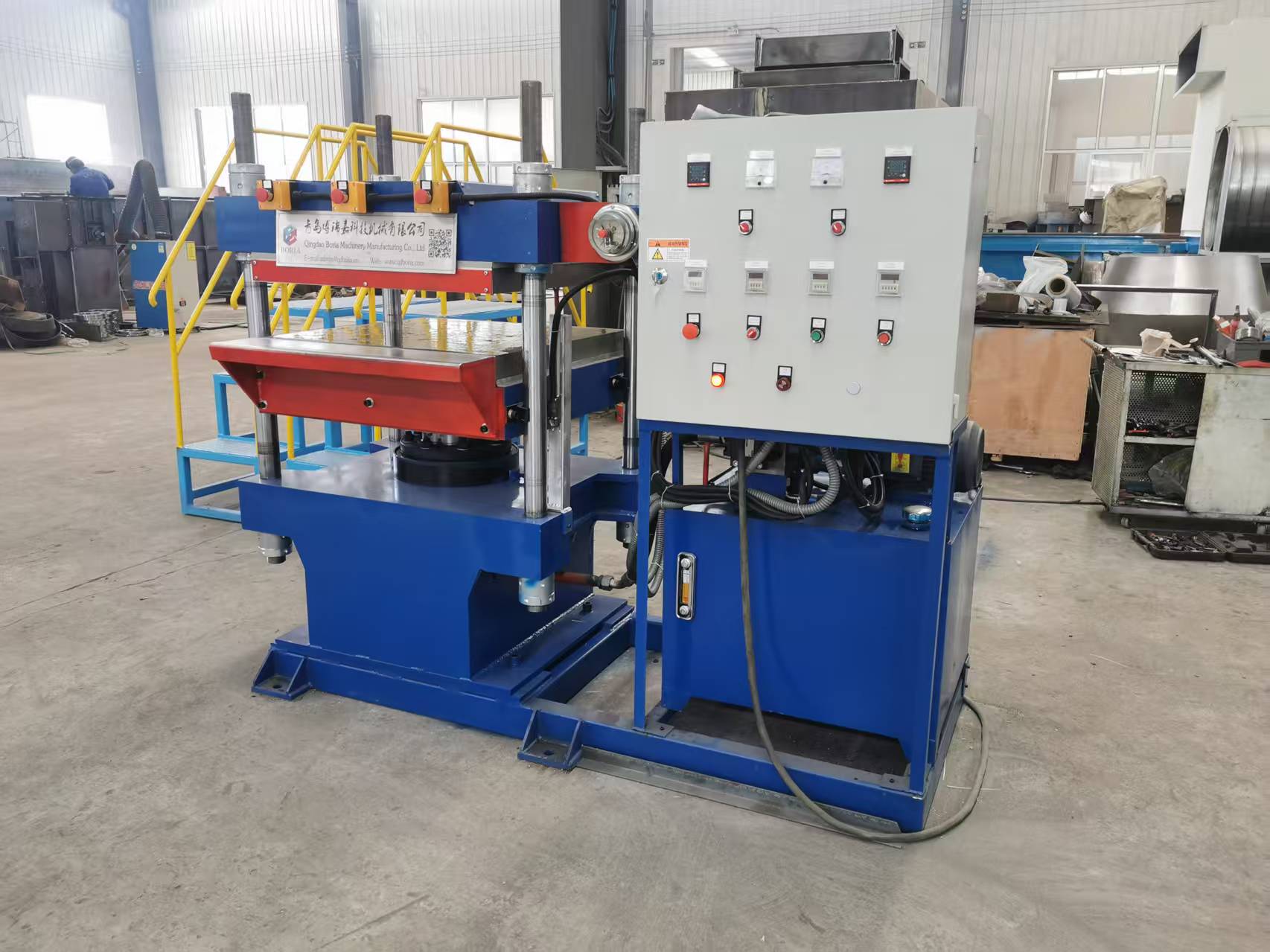
3. Mechanical Transmission Issues
3.1- **Belt Slippage**
– **Cause**: Insufficient tension in the belt, resulting in slippage during transmission; severe wear of the belt, reducing friction; oil on the surface of the pulley, decreasing the friction between the belt and the pulley.
– **Solution**: Adjust the belt tensioning device to increase the tension; replace severely worn belts; clean the oil from the pulley surface and check for oil leaks and repair them.
3.2- **Loose or Worn Chains**
– **Cause**: Chains naturally elongate over long-term use, causing looseness; insufficient lubrication of the chain, accelerating wear; worn sprockets, leading to poor fit with the chain.
– **Solution**: Adjust the chain tension; regularly lubricate the chain; inspect the sprocket wear and replace both the chain and sprocket if necessary.
4.Electrical Faults
4.1- **Motor Not Rotating**
– **Cause**: The motor power supply is not connected, which could be due to a circuit break, blown fuse, etc.; the motor winding is burned out; there is a fault in the motor control circuit, such as a damaged relay or faulty contactor.
– **Solution**: Check the power supply line, repair the break point, and replace the blown fuse; repair or replace the burned motor winding; inspect the control circuit and replace damaged relays, contactors, and other components.
4.2- **Damaged Electrical Components**
– **Cause**: Long-term use leads to component aging; harsh working environments, such as humidity, high temperature, and dust, accelerate component damage; excessive voltage fluctuations cause stress on electrical components.
– **Solution**: Regularly inspect and replace aging electrical components; improve the working environment of electrical equipment; install a voltage stabilizer to stabilize the input voltage.
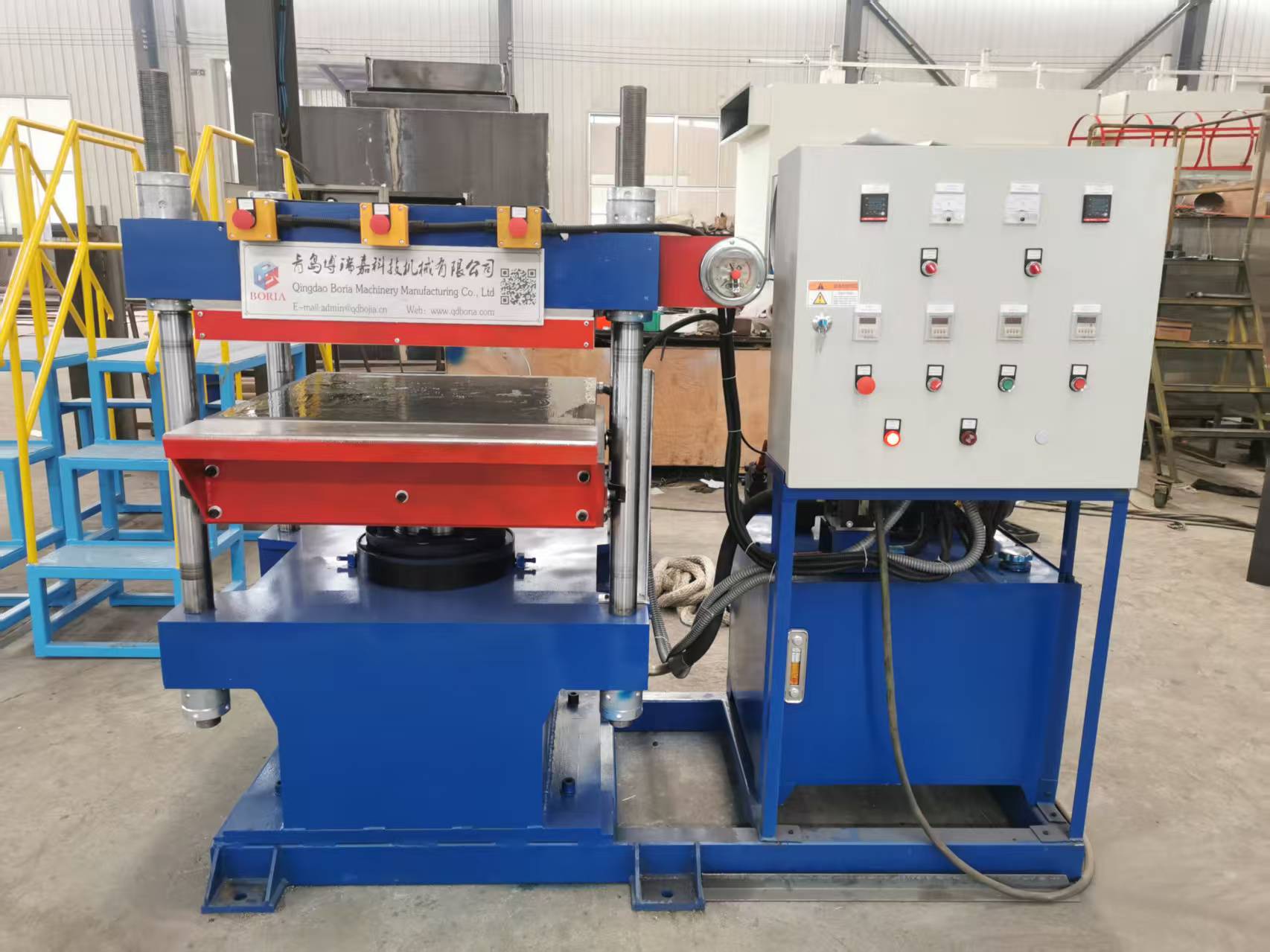
5. Issues with Vulcanization Time
5.1- **Vulcanization Time Too Long or Too Short**
– **Causes**: Incorrect setting of vulcanization time, not adjusted according to product requirements and process standards; timer malfunction, leading to inaccurate timing; control system failure, unable to accurately control vulcanization time.
– **Solutions**: Re-set the vulcanization time correctly in accordance with process requirements; inspect and repair or replace the faulty timer; inspect and repair the control system to ensure accurate control of vulcanization time.