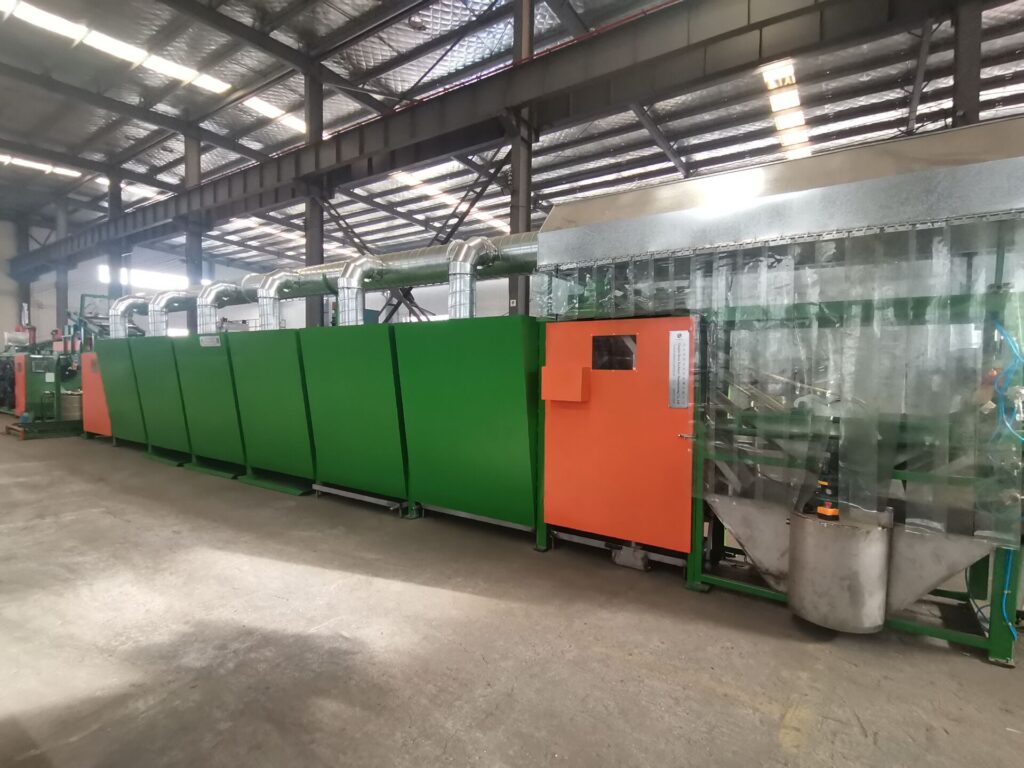
Choosing a rubber film batch off cooler can be considered from the following key aspects:
Production capacity
1. * * Output matching **: Select a cooler that can meet the production rhythm according to its own production scale and the expected output of film production.For example, enterprises with large production scale and large film demand need cooling machine models with fast cooling speed and large processing capacity to ensure that the film can be cooled in time to enter the next process and avoid production stagnation.
2. * * Processing speed **: Check the equipment manual for the number or length of films it can process per minute or hour.For example, some high-performance film coolers can process hundreds of meters or even kilometers of film per hour, which should be selected according to actual capacity requirements.
Cooling performance
1. * * Cooling method **: Common cooling methods are air cooling and water cooling.Air-cooled structure is simple, easy to maintain, but the cooling speed is relatively slow; water-cooled cooling efficiency is high, can quickly reduce the film temperature to the appropriate range, but may need a matching water circulation system, the cost is relatively high.If the cooling rate requirement is extremely high, water-cooled type may be more suitable; cost-sensitive and cooling rate requirements are not particularly stringent, consider air-cooled type.
2. * * Temperature control accuracy **: Accurate temperature control is essential to ensure film quality.Select a cooler that can cool the film to a specified temperature with a small fluctuation range.Some advanced chillers are equipped with high-precision temperature sensors and control systems that can control temperatures within ± 1 ° C or even less.
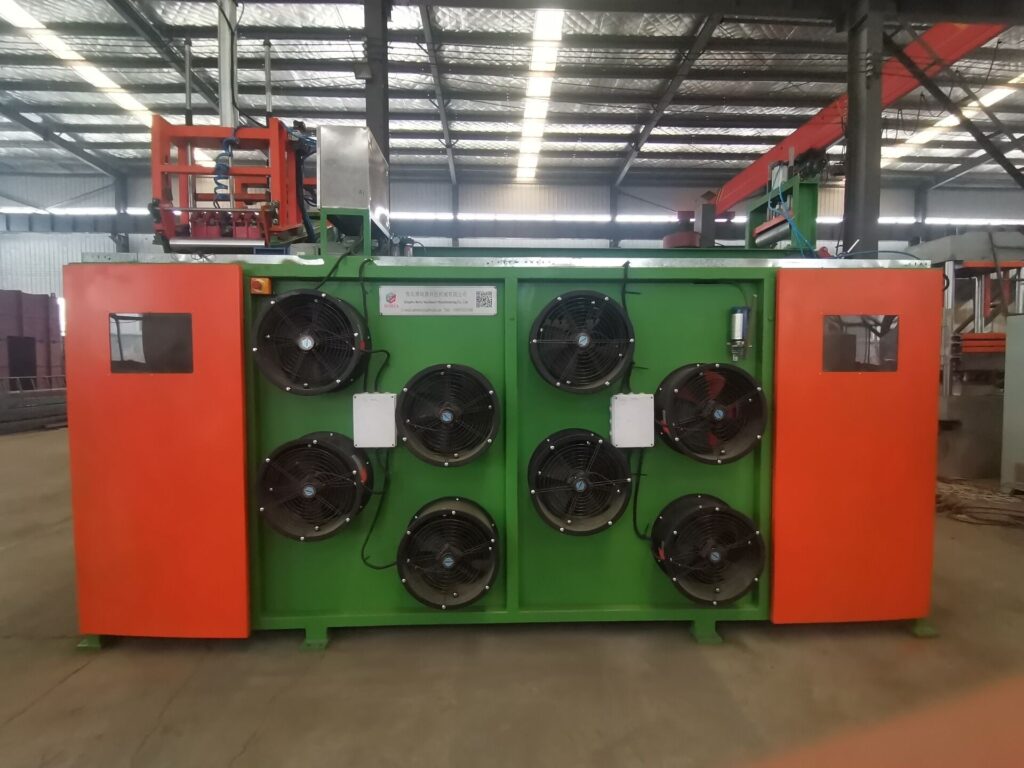
Film adaptability
1. * * Film specifications **: To ensure that the cooling machine can adapt to the width, thickness and other specifications of the film produced by the enterprise.Different types of coolers have different application ranges for film size. For example, some coolers are suitable for films with width of 100 – 500 mm and thickness of 0.5 – 5 mm. Matching equipment shall be selected according to actual film size.
2. * * Film Material **: Cooling requirements for films of different materials may vary.For example, there are differences in heat dissipation performance and cooling requirements between rubber film and plastic film.The cooler should be able to provide appropriate cooling parameters and environments for specific film materials to ensure cooling effects and film quality.
Equipment quality and reliability
1. * * Brand and reputation **: Select brands with good reputation and high popularity in the market.Well-known brands are usually more secure in terms of production technology, product quality and after-sales service.You can learn about the reputation of different brands by consulting companies in the same industry and viewing online evaluations.
2. * * Manufacturing process and material **: Observe the manufacturing process of the cooling machine, such as whether the welding is firm, whether the surface treatment is smooth, etc.The key parts of the equipment, such as cooling pipes, transmission devices, etc., should be made of high-quality materials to ensure the durability and stability of the equipment and reduce the frequency of failures.
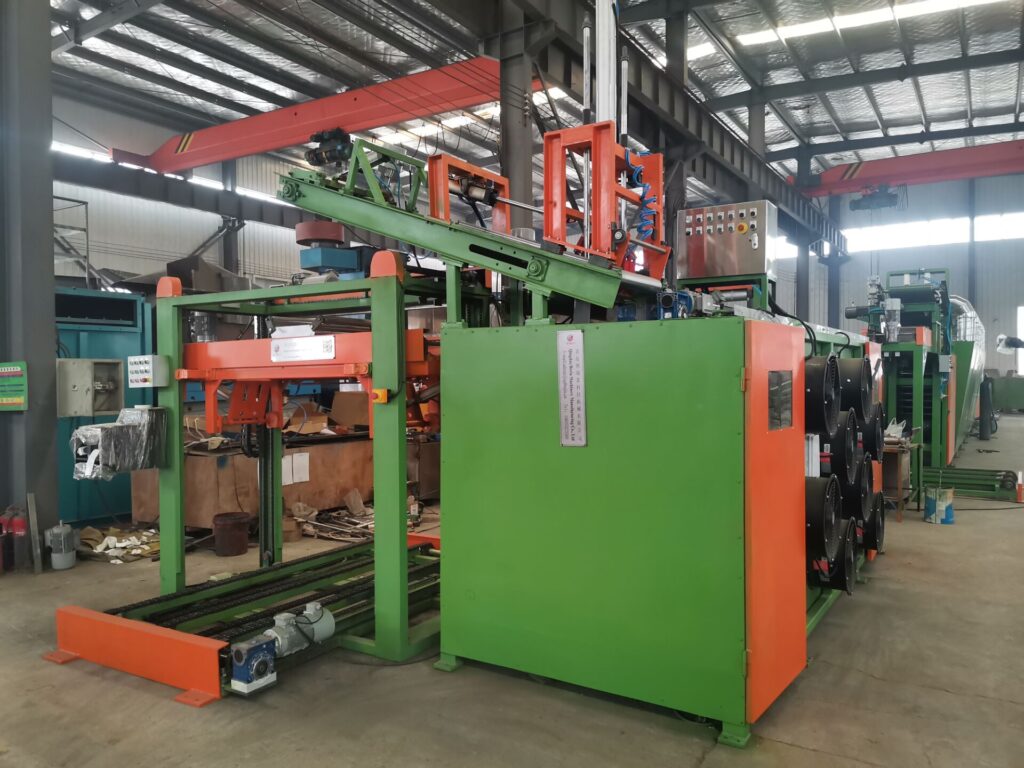
Operation and Maintenance
1. * * Convenience of operation **: The operation interface of the equipment shall be reasonably designed and easy to understand, so as to facilitate the operator to quickly learn.Chillers with automatic control functions can reduce manual intervention and improve operational accuracy and production efficiency.For example, some cooling machines can set and adjust various parameters through the touch screen.
2. * * Maintenance difficulty and cost **: Understand the maintenance requirements and maintenance cycle of the equipment, and choose a cooler that is easy to maintain and parts are easy to obtain.Maintenance costs are also important considerations, including consumables, repair tools and possible maintenance costs for routine maintenance.For example, some chillers have components that are versatile and relatively inexpensive, reducing long-term maintenance costs.
Security
1. * * Protective device **: The cooler should be equipped with perfect safety protection devices, such as emergency stop buttons, protective fences, overload protection devices, etc., to prevent operators from being accidentally injured during the operation of the equipment and ensure production safety.
2. * * Electrical safety **: Ensure that the electrical system of the equipment meets relevant safety standards, has good grounding and leakage protection measures, and avoids safety accidents caused by electrical faults.