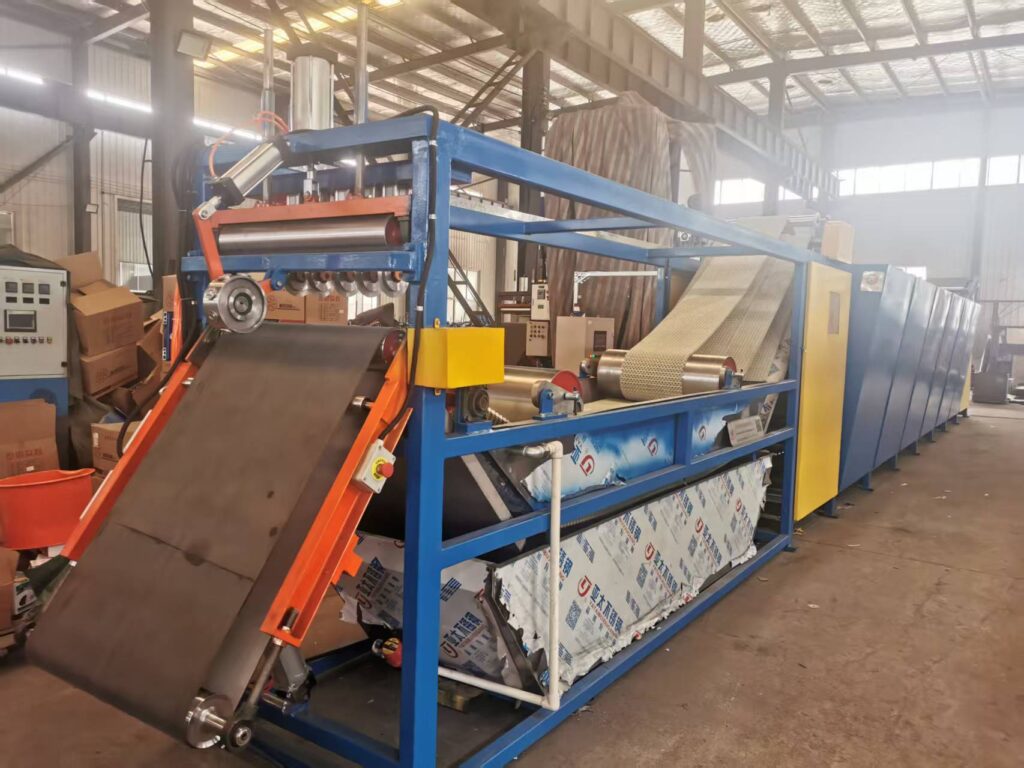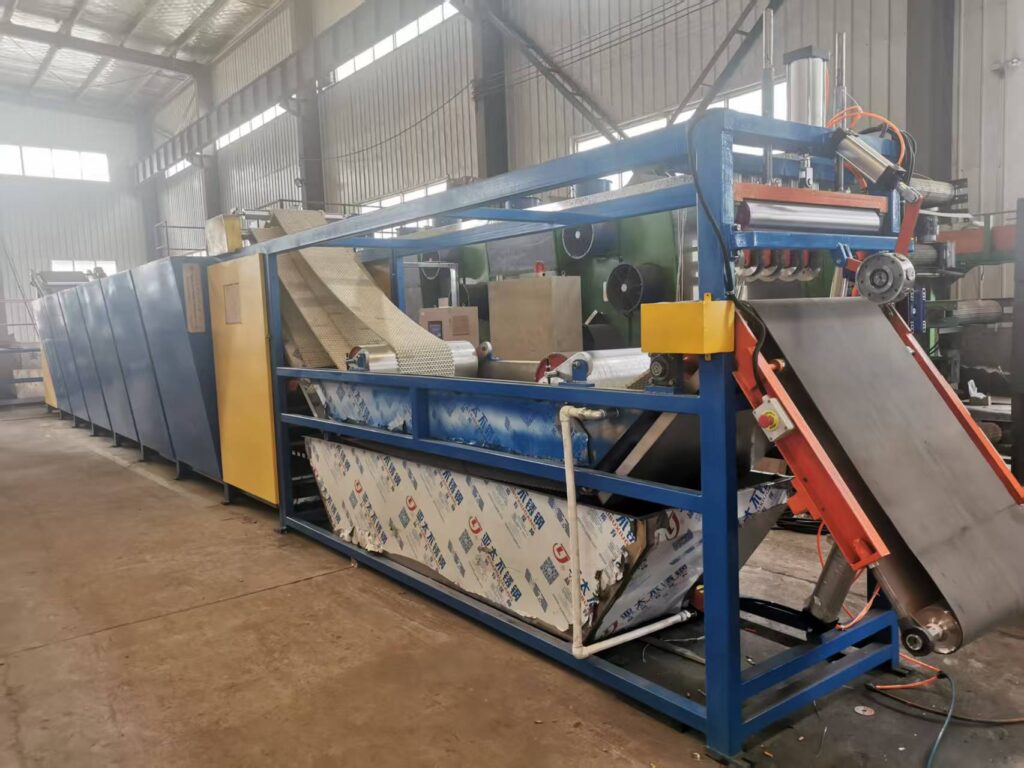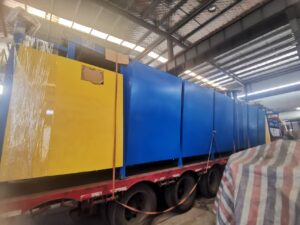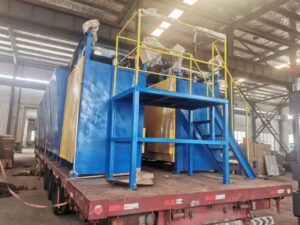
In the production process of rubber compound rubber, the batch-off cooling line is a crucial step. The main objective of this stage is to ensure that the temperature of the mixed rubber can be rapidly reduced after processing through effective cooling measures, thereby avoiding changes in material properties or structural damage caused by high temperatures. Meanwhile, the cooling process also helps to enhance the efficiency of subsequent processing and the stability of the product.
In actual operation, the design of the cooling line needs to take into account multiple factors comprehensively, such as the type of mixed rubber, the characteristics of the formula, and the overall layout of the production line. For different types of rubber materials, their thermal conductivity varies, so the cooling methods and parameters also need to be adjusted accordingly. Common cooling methods include air cooling, water cooling and composite cooling technology that combines the advantages of both. Among them, air cooling is suitable for rubber products that are sensitive to humidity, while water cooling is widely used in the cooling process of high-viscosity or thick-walled rubber products due to its efficient heat dissipation capacity.
In addition, the operating speed of the cooling line and the accuracy of temperature control directly affect the quality of the final product. Both too rapid and too slow cooling may lead to uneven stress distribution within rubber, thereby affecting its physical and mechanical properties. Therefore, when designing and using cooling lines, precise temperature sensors and automatic control systems are usually equipped to achieve real-time monitoring and dynamic adjustment of the entire cooling process.