
In contemporary industrial production, efficiency, accuracy, and consistency are paramount. Manual batching processes are often time-consuming, error-prone, and inconsistent, leading to increased waste and production costs. Automatic batching systems have emerged as a transformative solution, streamlining production processes while ensuring high precision and reliability. These systems are widely used across chemical, pharmaceutical, food, construction, and other industries where precise material measurements are critical. This article provides a comprehensive overview of automatic batching systems, their types, working principles, applications, selection criteria, maintenance tips, and future industry trends.
What is an Automatic Batching System?
An automatic batching system is a type of industrial automation equipment designed to measure and dispense materials according to predefined ratios or recipes. Unlike manual batching, these systems automate the weighing, mixing, and dispensing of raw materials, reducing human intervention and minimizing errors.
Key Components
A typical automatic batching system consists of:
Hoppers or Storage Bins: Hold raw materials for batching.
Weighing Units: Measure material quantities accurately.
Conveying System: Transfers materials between units or to mixers.
Control System: Centralized PLC or computerized interface managing recipes, sequences, and alarms.
Dispensing Mechanisms: Valves, feeders, or screw conveyors that deliver precise amounts of material.
Benefits of Automatic Batching Systems
Accuracy and Precision: Minimizes deviation from target weights.
Reduced Labor Costs: Less manual oversight is required.
Consistency: Ensures uniform quality across batches.
Faster Production Cycles: Speeds up preparation and mixing processes.
Data Tracking: Digital control systems allow for production record-keeping.
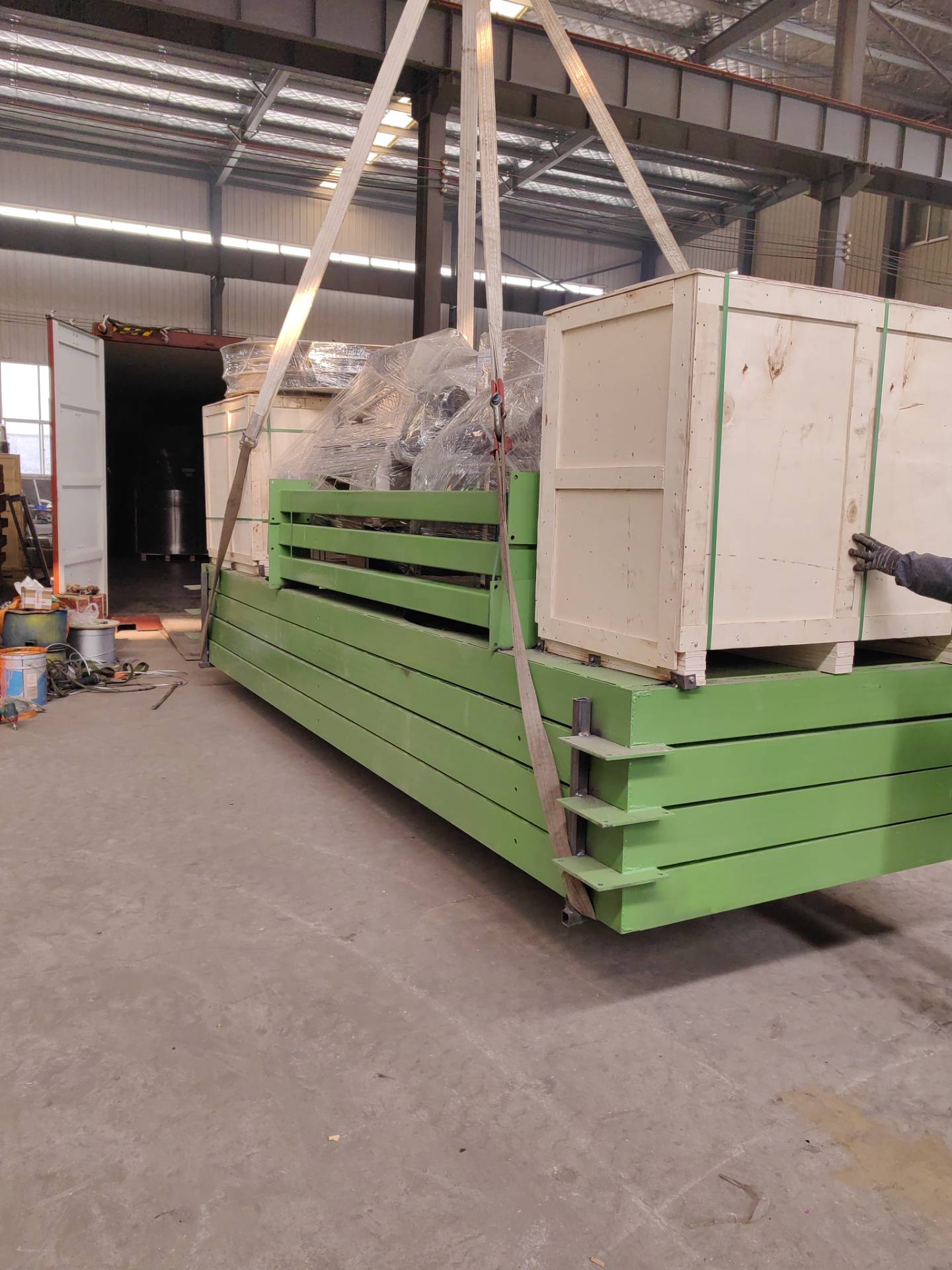
Types of Automatic Batching Systems
Automatic batching systems can vary based on the industry, material type, and batching requirements. Common types include:
1. Volumetric Batching Systems
Volumetric systems measure material based on volume rather than weight. These are often used for free-flowing materials like grains, powders, or liquids. While less precise than gravimetric systems, they are simpler and suitable for applications where slight variations are acceptable.
2. Gravimetric Batching Systems
Gravimetric systems use load cells to measure the weight of each material. These are highly precise and are commonly used in chemical, pharmaceutical, and high-quality food production.
Example Table: Gravimetric vs. Volumetric Batching
| Feature | Volumetric System | Gravimetric System |
|---|---|---|
| Measurement Method | Volume | Weight |
| Accuracy | Moderate | High |
| Suitable Materials | Powders, granules, liquids | Powders, chemicals |
| Cost | Lower | Higher |
| Typical Industries | Construction, plastics | Pharmaceutical, chemicals |
3. Hybrid Batching Systems
Hybrid systems combine volumetric and gravimetric techniques, providing flexibility for materials with varying flow properties or density.
Working Principle of Automatic Batching Systems
The basic working principle of an automatic batching system involves three steps: material measurement, transfer, and mixing.
Material Measurement:
The system measures each raw material according to the pre-programmed recipe. Gravimetric systems use load cells to ensure exact weight, while volumetric systems rely on calibrated volume feeders.Material Transfer:
Conveying mechanisms transport the measured materials to the mixer or the next processing station. Conveyors, pneumatic systems, or screw feeders ensure smooth material flow without spillage.Material Mixing and Dispensing:
Once all ingredients are in the mixing chamber, the system blends them uniformly before dispensing them into containers, molds, or further processing lines.
The control system continuously monitors the process, adjusting feed rates and compensating for environmental factors such as temperature, humidity, or material density changes.
Applications of Automatic Batching Systems
Automatic batching systems are versatile and can be found across multiple industries:
1. Chemical Industry
Used for precise mixing of resins, adhesives, pigments, and solvents. Automated systems ensure consistent product quality and reduce waste due to human errors.
2. Pharmaceutical Industry
Accurate dosing of active ingredients is critical. Automatic batching systems help maintain compliance with strict regulatory standards while ensuring consistent formulation.
3. Food and Beverage Industry
Ingredients like flour, sugar, oil, and spices must be blended consistently. Batching systems speed up production while maintaining hygiene standards.
4. Construction Materials
For concrete, mortar, or asphalt, automatic batching systems guarantee the correct ratios of cement, sand, aggregates, and water, ensuring structural integrity and compliance with engineering standards.
5. Plastics and Polymer Industry
Used for mixing polymers, additives, and colorants to produce consistent batches for injection molding, extrusion, or film production.
Choosing the Right Automatic Batching System
When selecting an automatic batching system, consider the following factors:
Material Type
Powders, granules, liquids, or viscous substances require different dispensing mechanisms.
Abrasive or corrosive materials may need special wear-resistant components.
Accuracy Requirements
Gravimetric systems for high-precision applications.
Volumetric systems for less critical batching.
Production Volume
Small-scale operations may opt for compact systems.
Large industrial lines require high-capacity systems with multiple hoppers and advanced controls.
Integration and Automation
Ensure compatibility with existing mixers, conveyors, or production lines.
Advanced systems provide remote monitoring, recipe management, and data logging.
Maintenance and Support
Choose systems with easily replaceable parts.
Look for vendors providing comprehensive after-sales service and technical support.

Maintenance Tips for Automatic Batching Systems
Regular maintenance ensures long-term reliability and performance:
Routine Inspection: Check feeders, load cells, valves, and conveyors for wear or damage.
Calibration: Periodically recalibrate weighing and measurement systems to maintain accuracy.
Cleaning: Prevent material buildup that could affect measurement or cause contamination.
Lubrication: Keep moving parts like motors, bearings, and gears properly lubricated.
Software Updates: Ensure control systems run the latest firmware for optimal functionality.
Spare Parts Management: Maintain an inventory of critical parts to reduce downtime during repairs.
Advantages of Automatic Batching Systems
Efficiency: Faster production cycles compared to manual batching.
Precision: Consistent results with minimal deviation.
Labor Savings: Fewer operators needed, reducing costs.
Safety: Minimizes operator exposure to hazardous materials.
Scalability: Suitable for both small-scale and large-scale production.
Challenges and Solutions
1. Material Variability
Variation in density or moisture content can affect accuracy. Solution: Use real-time feedback systems and adaptive control algorithms.
2. Maintenance Complexity
Automated systems have more components to monitor. Solution: Schedule preventive maintenance and provide operator training.
3. High Initial Cost
Automated batching systems require significant upfront investment. Solution: Consider total cost of ownership, including labor savings, waste reduction, and production efficiency gains.
Industry Trends and Future Outlook
The future of automatic batching systems is influenced by advancements in:
IoT and Industry 4.0: Remote monitoring, predictive maintenance, and cloud-based recipe management.
AI and Machine Learning: Optimizing batch sequences and adjusting for material variations.
Energy Efficiency: Lower power consumption through intelligent motors and drives.
Flexible Manufacturing: Systems capable of handling small-batch, multi-product production for customized orders.
As industries increasingly demand precision, speed, and sustainability, automatic batching systems are expected to see continued adoption across sectors.
Automatic batching systems revolutionize modern production by combining accuracy, speed, and reliability. From chemical to food, pharmaceutical, construction, and plastics industries, these systems streamline material handling, improve product quality, and reduce labor costs.
Selecting the right system, maintaining it properly, and keeping pace with technological advancements ensures that manufacturers can achieve optimal efficiency and profitability. Whether for small-scale or industrial-scale operations, investing in a high-precision automatic batching system offers tangible benefits in productivity, quality, and operational excellence.
Contact your supplier today for tailored automatic batching solutions designed to meet your production needs and enhance your operational efficiency.