
In industrial processing, the ability to combine raw materials into a uniform mass is fundamental. Whether in plastics, rubber, chemicals, or food production, the quality of mixing or kneading directly affects product consistency, performance, and ultimately market competitiveness. Two machines dominate this field: the mixer and the kneader. At first glance, they may seem similar since both are used for blending materials. However, the differences in design, working principles, and applications are substantial. Understanding these distinctions is essential for engineers, production managers, and decision-makers who aim to select the right equipment for their processes.
Defining the Basics
What is a Mixer?
A mixer is a machine designed to combine multiple materials—liquids, powders, or semi-solids—into a homogeneous mixture. The principle behind mixing is relatively simple: mechanical agitation through impellers, blades, paddles, or screws generates turbulence and shear forces that disperse one substance into another.
Mixers are versatile and come in a wide range of designs, from small-scale laboratory stirrers to large industrial ribbon mixers and twin-screw extruders. Their primary role is uniformity—ensuring that all ingredients are distributed evenly throughout the mixture.
What is a Kneader?
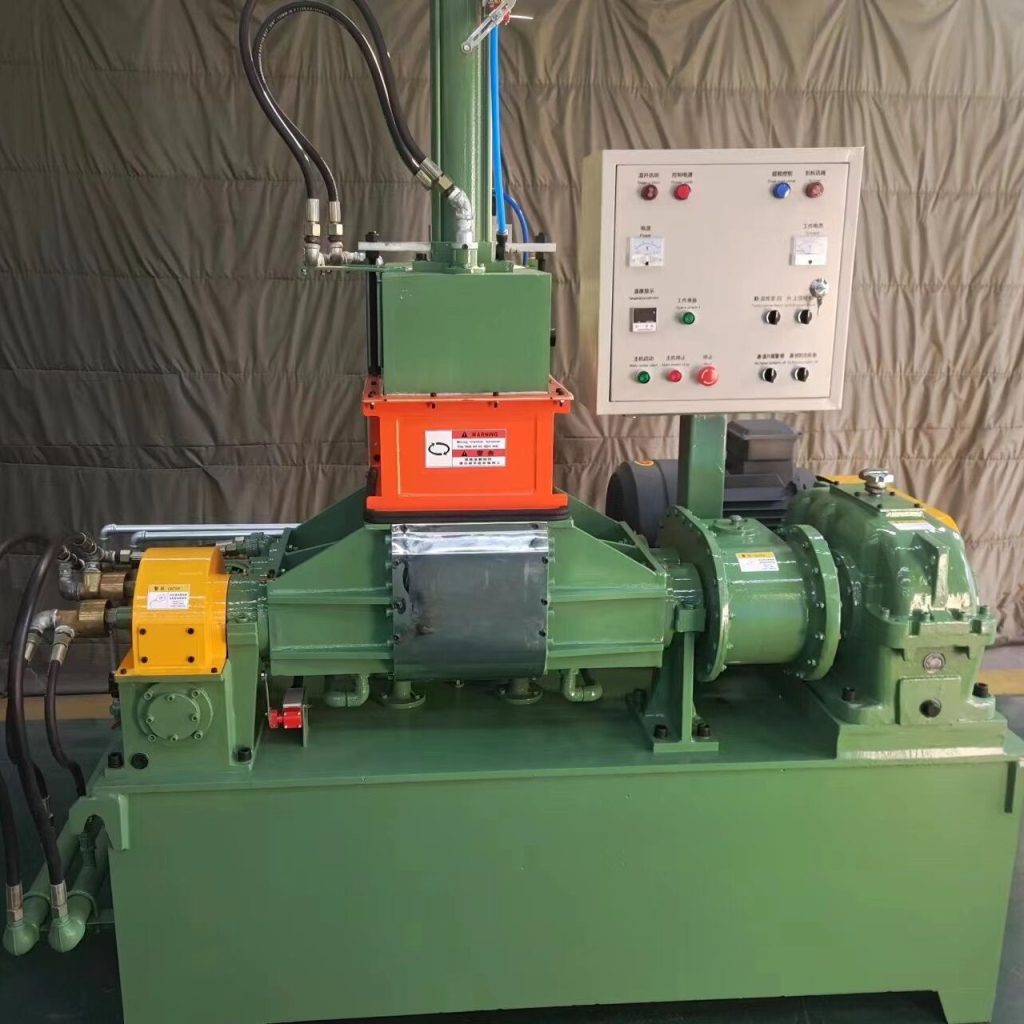
A kneader, by contrast, is a heavy-duty machine designed to process highly viscous, elastic, or plastic-like materials. Instead of simple agitation, kneaders rely on strong mechanical compression and shear forces generated by rotating blades or rotors within a chamber. The machine’s design allows it to fold, stretch, and compress materials repeatedly, much like kneading dough by hand—hence the name.
Kneaders are often used where mixers fall short, particularly in applications involving rubber, adhesives, resins, ceramics, and certain high-viscosity food products. Their purpose is not only to blend ingredients but also to modify the material’s physical structure to achieve specific mechanical or chemical properties.
Mechanical Structure and Design Differences
Internal Configuration
Mixers generally feature a tank or vessel fitted with impellers, paddles, or ribbons. The blades move at various speeds to generate turbulence and promote mixing. Designs vary widely depending on whether the material is liquid, powder, or slurry.
Kneaders, on the other hand, employ Z-shaped blades, sigma blades, or intermeshing rotors inside a horizontal chamber. These blades rotate slowly but exert tremendous torque, compressing and folding materials continuously.
Operating Speed
Mixers typically operate at higher speeds to ensure dispersion, especially in liquid-phase mixing.
Kneaders operate at lower speeds but apply much greater force to handle dense, sticky, or elastic materials.
Power and Energy Consumption
Mixers are usually more energy-efficient because they handle lower-viscosity materials.
Kneaders consume significantly more power due to the resistance generated by high-viscosity substances.
Functional Differences
Types of Materials Processed
Mixers: powders, granules, liquids, emulsions, and suspensions. For example, pharmaceutical powders, food sauces, paint dispersions.
Kneaders: rubber, silicone, hot-melt adhesives, sealants, thermoplastic resins, chewing gum, and ceramics.
Processing Objectives
The mixer’s objective is homogenization—achieving even distribution.
The kneader’s objective is structural transformation—developing elasticity, viscosity, or specific rheological properties.
Heat Generation and Control
Kneaders often generate significant heat due to mechanical stress, making temperature control systems essential. Mixers generally generate less heat, though high-shear mixers may require cooling depending on the application.
Industry Applications
Chemical Industry
Mixers: blending solvents, pigments, and fillers for coatings, paints, and detergents.
Kneaders: processing epoxy resins, silicone rubber, and sealants requiring high viscosity management.
Plastics and Rubber Industry
Mixers: compounding plastic powders, color masterbatch preparation.
Kneaders: essential for rubber compounding, EVA sheets, and thermoplastic elastomers where strength and elasticity are critical.
Food Industry
Mixers: preparing sauces, beverages, dairy products, and emulsions.
Kneaders: producing chewing gum, doughs, and other high-viscosity products.
Pharmaceuticals
Mixers: powder blending for tablets, suspensions, and emulsions.
Kneaders: preparation of ointments, pastes, and sustained-release drug carriers.
Performance Comparison
Mixing Quality
Mixers achieve excellent uniformity for free-flowing or moderately viscous substances.
Kneaders excel in applications where uniformity and material transformation must occur simultaneously.
Productivity
Mixers often allow continuous operation, making them suitable for large-scale production.
Kneaders are typically batch-operated, which can limit throughput but ensure higher-quality output for difficult materials.
Maintenance and Cleaning
Mixers are generally easier to clean and maintain.
Kneaders, due to their heavy-duty design and sticky materials, require more intensive cleaning and downtime.
Cost and Investment Considerations
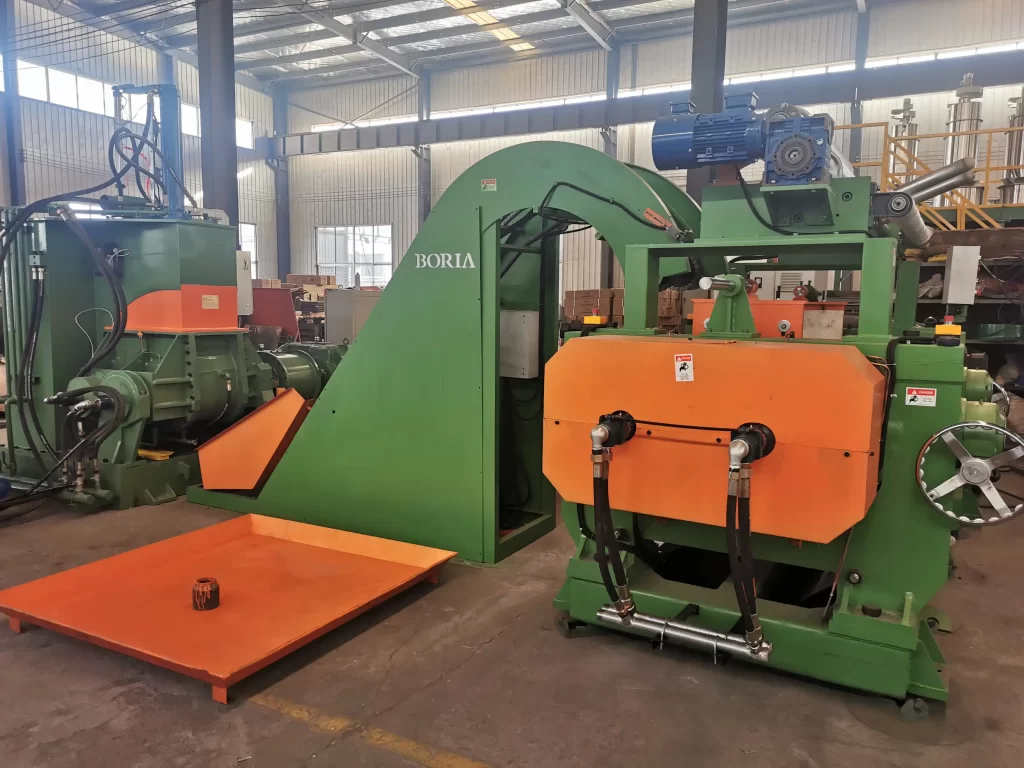
From a business standpoint, the decision between a mixer and a kneader involves balancing capital investment, operating costs, and product requirements.
Mixers: lower upfront costs, versatile applications, lower energy consumption. Ideal when handling simple or medium-viscosity materials.
Kneaders: higher cost, higher energy use, but indispensable for specialized applications. They deliver ROI when product performance requires superior viscosity handling or structural modification.
Future Trends
Both mixers and kneaders are evolving under the influence of automation, digitalization, and sustainability.
Automation: Smart sensors and PLC systems now enable real-time monitoring of torque, temperature, and viscosity.
Sustainability: Energy-efficient motors, advanced cooling systems, and designs optimized for minimal material waste.
Customization: Machines tailored for niche applications—such as biodegradable polymers or advanced composites—are becoming more common.
The distinction between mixers and kneaders is also blurring in some cases, with hybrid systems combining mixing and kneading functions to enhance flexibility.
While mixers and kneaders both serve the purpose of combining materials, their differences in design, function, and application are significant:
Mixers are versatile, faster, and cost-effective, suited for low to medium-viscosity materials where uniformity is key.
Kneaders are powerful, specialized machines designed to handle high-viscosity, elastic, or plastic-like materials where mechanical transformation is as important as mixing.
For industries deciding between the two, the choice ultimately depends on the nature of the raw materials, the required product properties, production volume, and cost considerations.