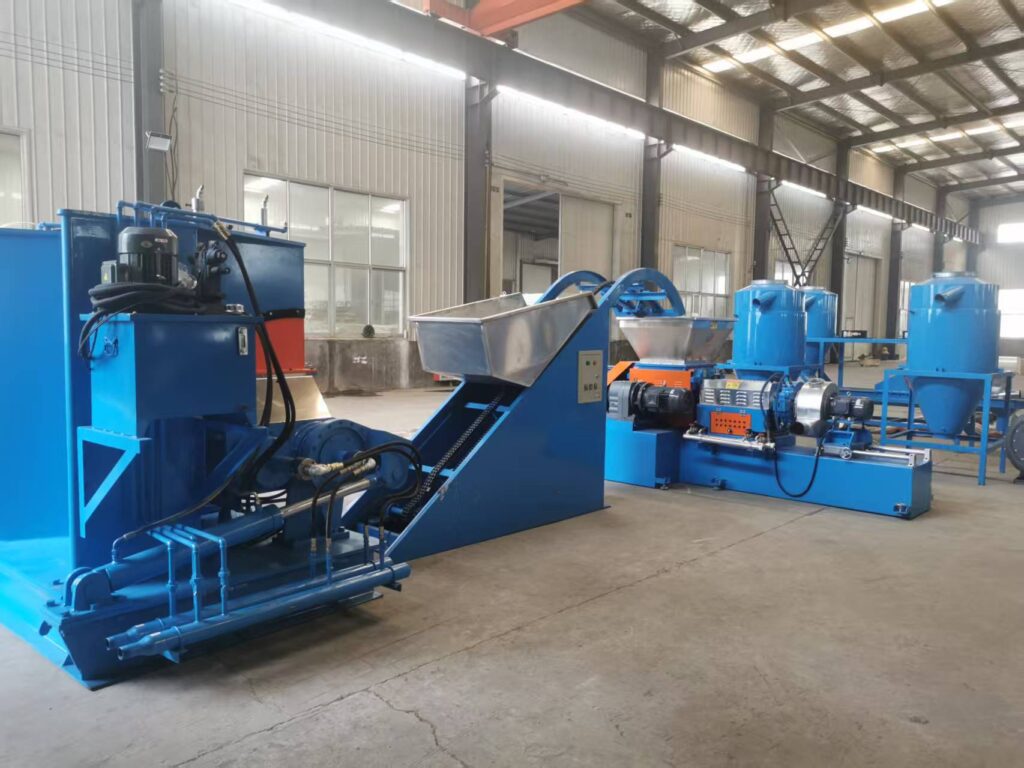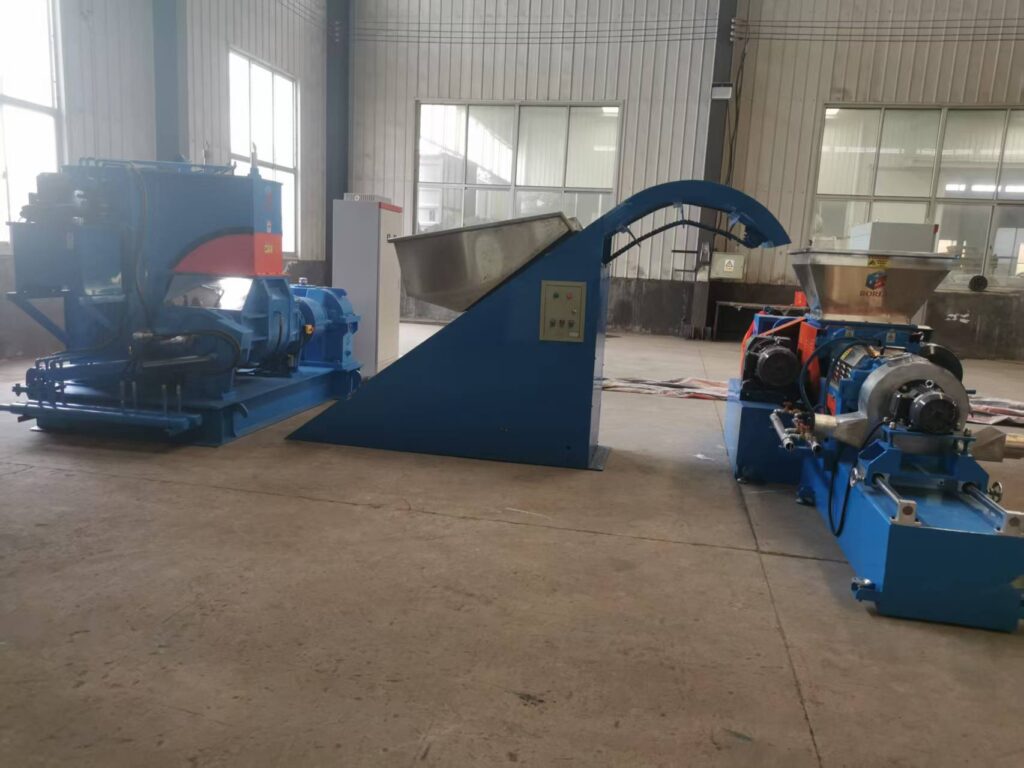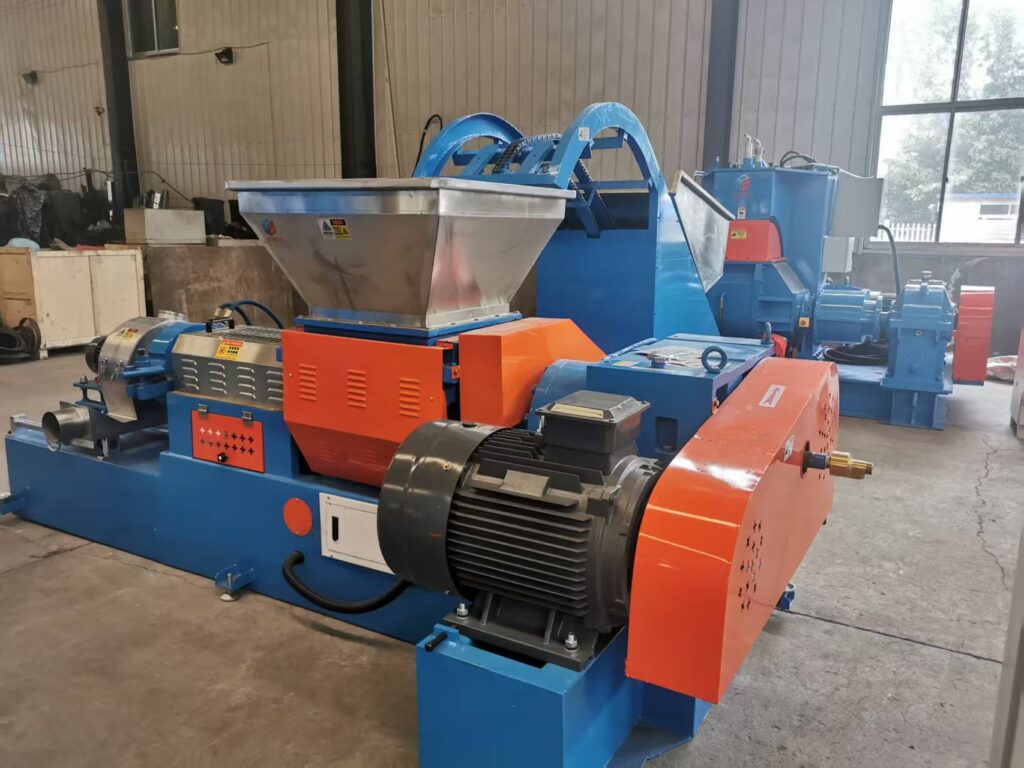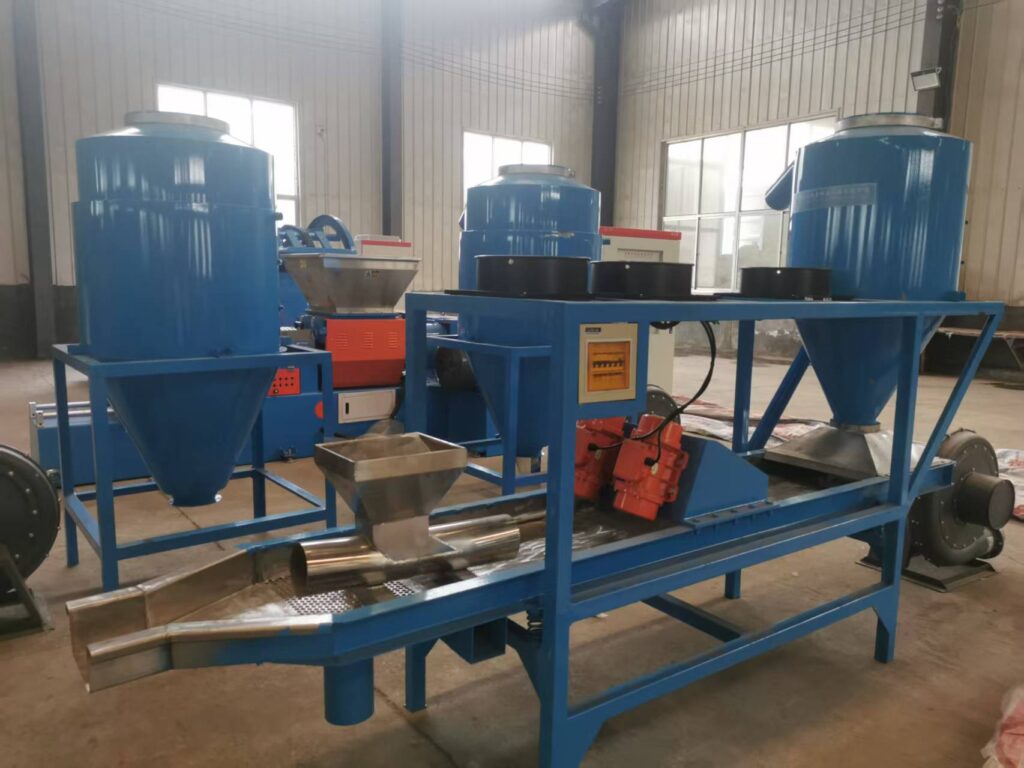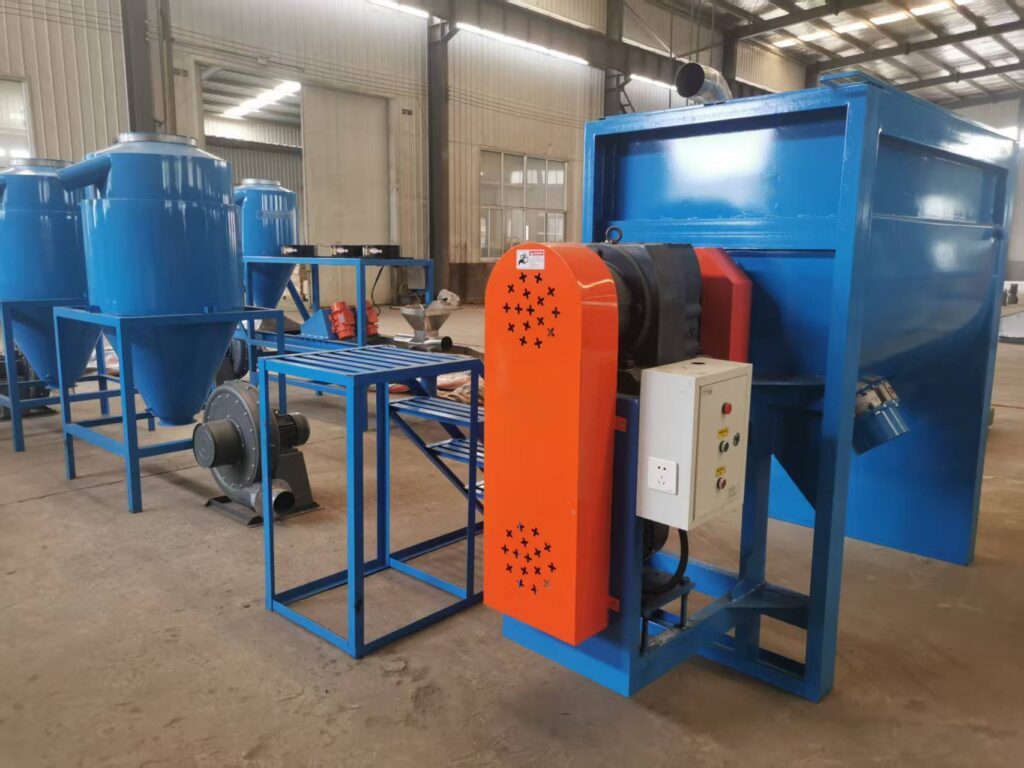
The rubber ethylene propylene diene monomer (EPDM) and plastic polyvinyl chloride (PVC) granulation production line is an industrial equipment system specifically designed for processing these two polymer materials. This production line is mainly used to transform raw materials into granular finished products through processes such as heating, mixing, extrusion, cooling, and pelletizing, facilitating subsequent molding and processing.
EPDM is a ternary copolymer of ethylene, propylene and a small amount of non-conjugated diene, featuring excellent weather resistance, aging resistance and chemical corrosion resistance. It is widely used in building waterproof materials, automotive parts, wire and cable sheaths and other fields. While PVC, as a general-purpose thermoplastic, is widely used in pipes, profiles, packaging materials and daily necessities manufacturing due to its good mechanical properties and processing performance.
To meet the processing requirements of different material properties, the structural designs of EPDM and PVC granulation production lines are usually different. For instance, EPDM is a rubber-like material that is relatively soft and highly viscous, requiring higher temperature control accuracy and stronger shear dispersion capacity during mixing and extrusion. In contrast, PVC is highly sensitive to heat and prone to decomposition, so special attention must be paid to temperature control during processing, and stabilizers are often added to prevent degradation.
A typical granulation production line mainly consists of the following parts: raw material metering and conveying system, mixing device, single-screw or twin-screw extruder, die head, cooling water tank, air drying device, pelletizer and finished product collection and packaging system. Among them, the extruder is the core component of the entire production line, responsible for heating and melting the materials, uniformly mixing them, and then conveying them to the die head. The materials are then extruded through the die holes into strips, cooled and solidified, and finally cut into particles of specified sizes by the pelletizer.
With the continuous improvement of material performance requirements in modern industry, EPDM and PVC granulation production lines are also constantly upgrading and optimizing. Nowadays, many advanced production lines have achieved automated control, equipped with PLC control systems and human-machine interfaces, which can monitor various parameters in the production process in real time to ensure the consistency and stability of product quality. In addition, energy conservation and environmental protection have also become one of the important directions in current equipment research and development. The application of new energy-saving motors, efficient heat exchange systems, and waste gas treatment devices has made the entire production line more green and sustainable.
In conclusion, the rubber ethylene propylene diene monomer (EPDM) and plastic polyvinyl chloride (PVC) granulation production lines, as key equipment in the processing of polymer materials, play a significant role in enhancing material performance, improving production efficiency, and promoting the development of related industries.