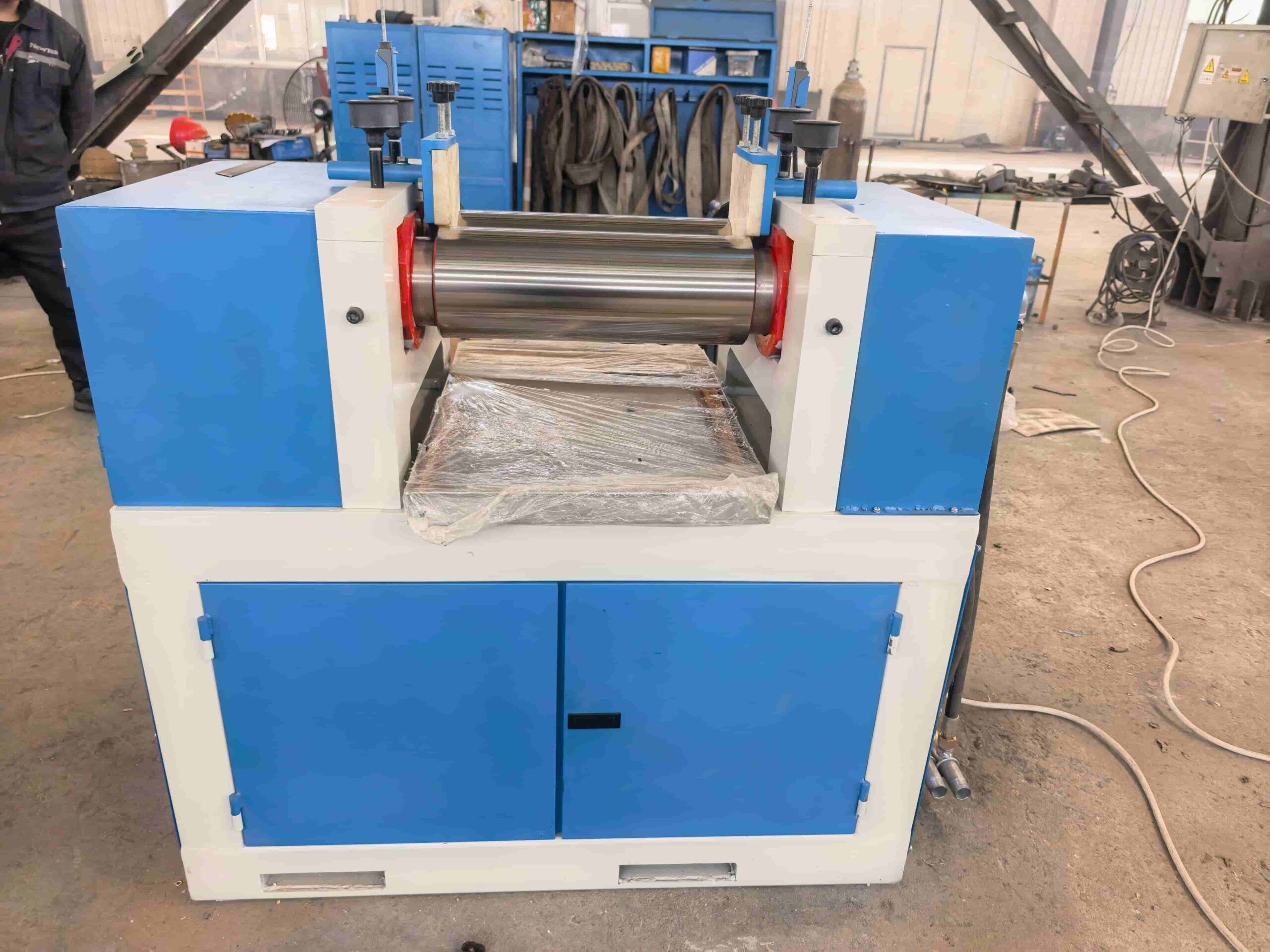
A new type of small-scale rubber open mixer has been developed specifically for laboratory environments, addressing the need for accurate, controllable, and safe processing of elastomeric materials during research, quality control, and pilot-scale formulation development.
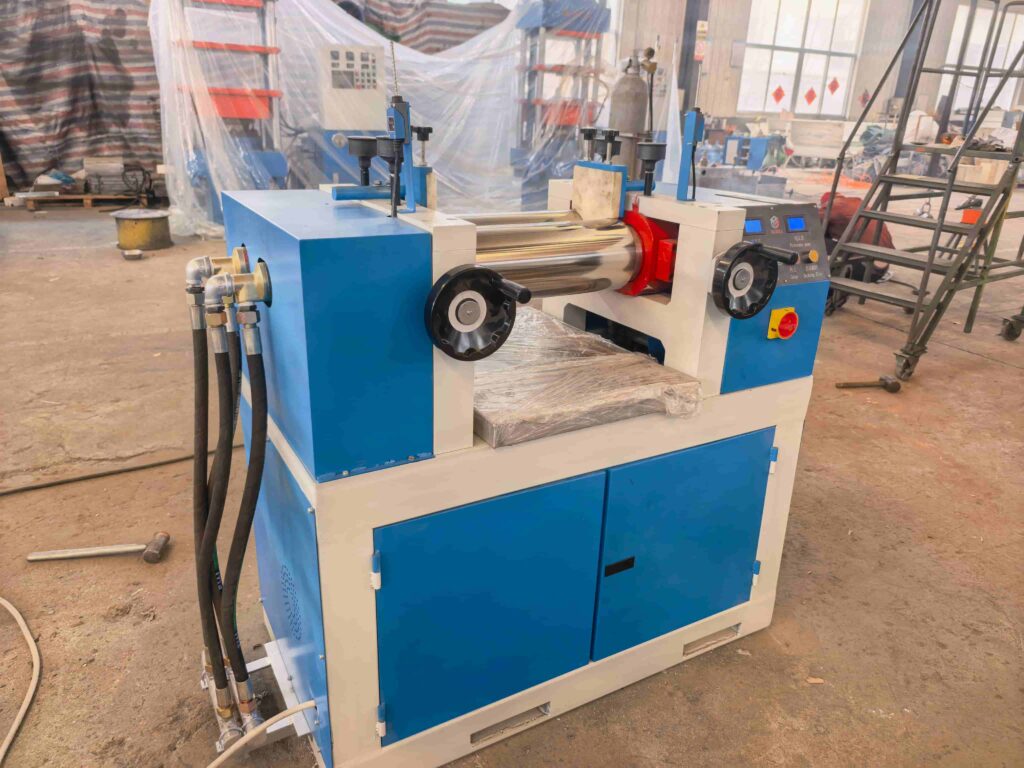
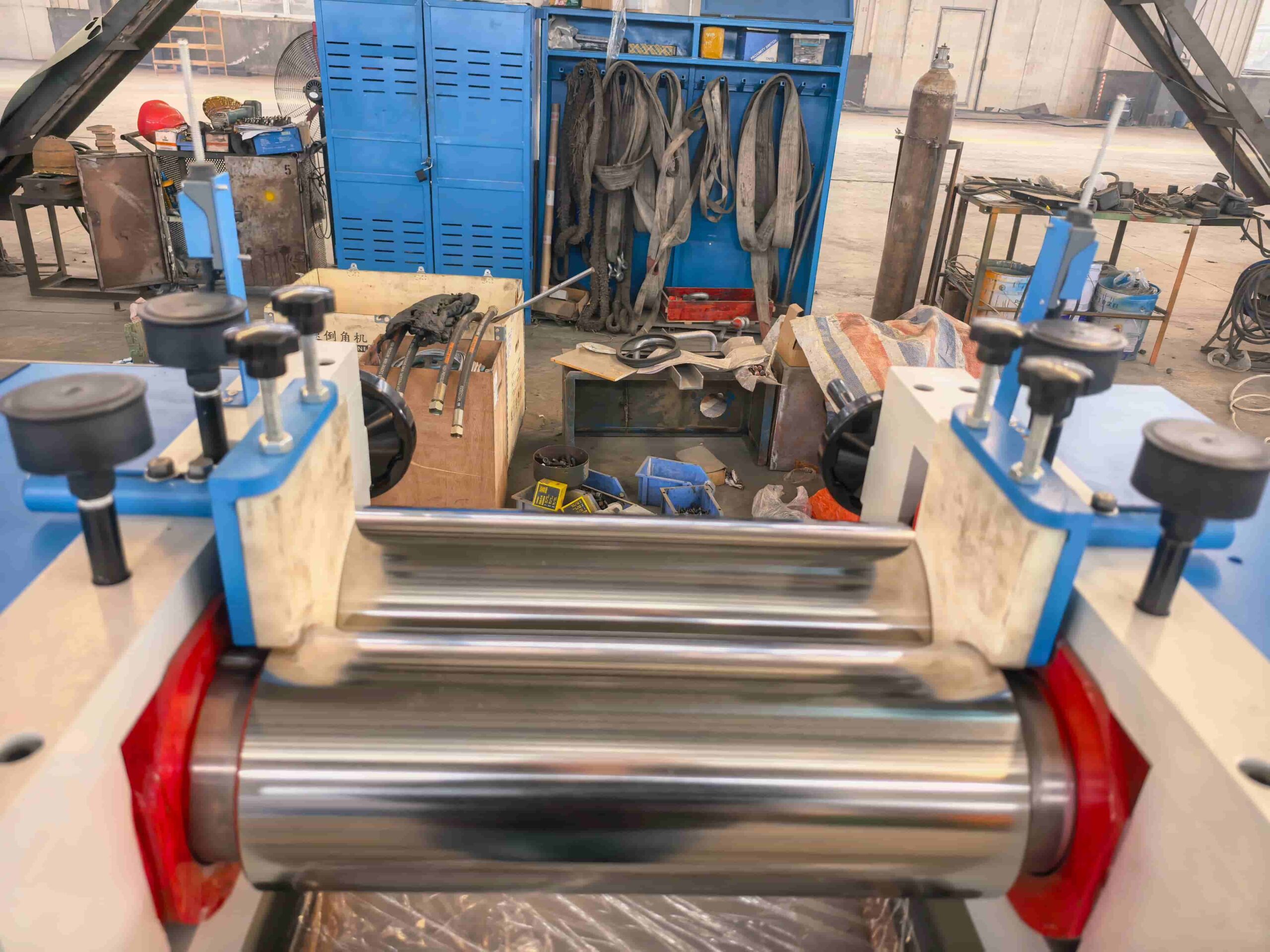
This instrument features two horizontally opposed, counter-rotating rolls—typically made from chilled cast iron or stainless steel—with precisely adjustable roll gap (ranging from 0.1 mm to 8 mm), surface speed ratio (commonly 1:1.1 to 1:1.4), and temperature control via internal cooling/heating channels. Its compact footprint allows seamless integration into standard fume hoods or lab benches, while its low-power motor and variable-speed drive enable fine-tuned shear application suitable for sensitive compounds such as silicone rubbers, thermoplastic elastomers, or highly filled natural rubber blends.
The mixer supports manual and semi-automated operation modes, with optional digital interfaces for logging roll temperature, nip pressure, motor load, and mixing time—data essential for correlating processing conditions with downstream properties like dispersion uniformity, scorch safety, and rheological behavior. Safety enhancements include guarded roll nips, emergency stop buttons, roll reversal functionality for material recovery, and non-slip roll surfaces to prevent slippage during high-viscosity mixing.
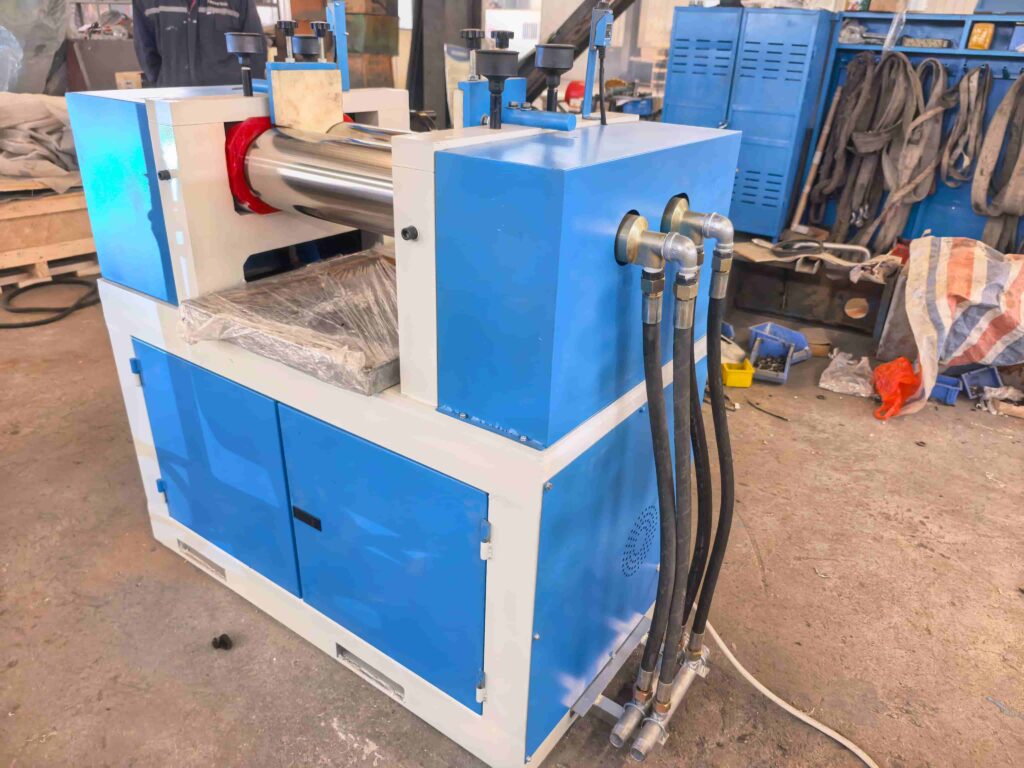
Designed in accordance with ISO 289-1 and ASTM D3182 standards for laboratory rubber mixing, it serves as a critical tool for academic researchers, compound developers, and regulatory testing labs seeking to replicate traditional mill-based processing at a reduced scale without compromising experimental fidelity or repeatability.